

The online slot Alles Spitze turns every spin into a quiet debate allesspitze.eu. Should you follow your gut, or adhere to the data? This isn’t just about winning or defeat. It’s a clear conflict between two mindsets, played out across its bright, loud reels. The game’s layout and features make it a ideal arena to see how intuition and reason affect every choice a user does, from the amount of their stake to the point they leave.
The Fundamental Mechanics of Alles Spitze Slot
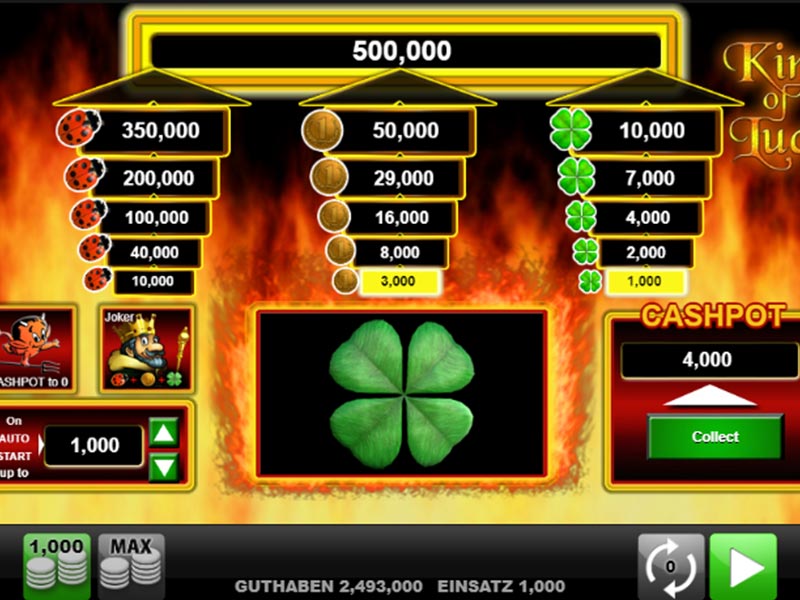
You must understand the rules before deciding. Alles Spitze is a video slot made for enjoyment, loaded with interactive features. It operates on a familiar grid of reels and paylines, where you align matching symbols to achieve a win. You’ll encounter the usual cast of characters: standard symbols, wilds, and scatters.
Its real personality comes through in the bonus rounds, free spins, and special symbols that open the door to bigger payouts. The game’s character is defined by numbers like its volatility and its Return to Player (RTP) percentage. These figures establish a mathematical framework. For the logical player, this framework is the only map they require. It tells them the lay of the land before they’ve even placed their first bet.
Take the bonus round in Alles Spitze. It’s seldom a simple, one-off event. More often, it’s a multi-stage affair that asks you to make choices. Each choice is a tiny drama. Do you go for the bigger multiplier, or take the safer, smaller win? The game’s volatility isn’t just a label; it’s shown through the symbols you see. Low-paying symbols appear frequently, keeping the screen busy. The high-value ones are rarer, creating a tension that sparks both gut feelings and cold calculations.
Underneath all the flashing lights, a Random Number Generator (RNG) is working. This is the immutable rule of the land. It assures every spin is independent and random. The logical player accepts this as fact. But the game’s presentation—the way the reels sometimes slow down for drama, the fireworks on a win—offers a different, more intuitive story. It makes randomness appear as fate, and that’s where the debate really starts.
Risk Analysis: Gut Feeling Against Calculated Odds
This is the point where intuition and logic separate most sharply. Gut-level risk evaluation is immediate and driven by emotion. It’s grounded in what just happened. A big win can make risk feel trivial. A setback can make danger seem everywhere. This is the realm of the gambler’s mistake, a classic intuitive error.
Logical risk assessment depends on the fixed math of the game. It encompasses understanding volatility and the casino advantage. The logical player knows each spin is unrelated. Past results don’t matter. They assess risk according to their bankroll and the range of possible outcomes, not on a temporary feeling.
The gut instinct about risk often stems from cognitive shortcuts, or mental rules of thumb. The “availability heuristic” means you assess the risk of losing by how readily you can recall recent setbacks. After a few bad spins, risk appears massive. After a victory, it seems insignificant. Logical assessment uses a pre-set plan to fight this bias. By defining a loss threshold before playing and sticking to it no matter what, the rational player builds a wall against instinctive error.
They also perceive the buy-in bonus in a different light. Gut feeling might view the initial fee as a guaranteed ticket to fun, a way to sidestep the “danger” of not triggering the bonus. Reason positions that same price as an additional casino advantage, a premium paid for certainty that, in the long run, will chip away at your total return. One sees it as reducing risk, the other as reducing value. The same mechanism, seen through two totally separate ways of thinking.
Merging Approaches for Harmonious Play
The most intelligent way to play Alles Spitze could be not to pick a side, but to combine them. A well-rounded player commences with a analytical foundation: a clear budget, a grasp of the rules, and an acknowledgment of the RNG. Then, they let intuition direct the smaller decisions within that secure space. This combined approach acknowledges the mathematics without ignoring the human desire for fun.
For example, a player might logically determine to allocate a set amount on a session. Once that boundary is defined, they could intuitively decide to increase their wager a little during a exciting bonus round, or move to auto-spin for a while. This synthesis admits that slots are entertainment. Strict reasoning alone can make them sterile, but gut feeling can lead to reckless play.
A practical blend entails a flexible playbook. The analytical foundation includes a strict deposit limit and a session timer. The intuitive layer then governs the tempo. Maybe you begin with smaller bets to “get a feel” for the game, then adapt based on the flow, all while keeping within your financial guardrails. You use logic to construct the cage, but let intuition be the bird inside.
This harmonious mindset also shifts the goal. The aim shifts from winning money to acquiring entertainment. When you logically plan £20 for two hours of fun, any win is a bonus that lengthens the show. Intuition then makes that show more absorbing by adding spontaneity. The player who merges both understands the real “win” is an delightful, regulated experience. The debate between intuition and logic isn’t a battle to be conquered. It’s part of the show.
The tension between intuition and logic in Alles Spitze mirrors a universal struggle in how we make decisions. It reveals that gaming is far from a passive activity. It’s a evolving cognitive landscape. By recognizing the value in both instinct and analysis, players can cultivate a more mindful and pleasurable relationship with the game. You can value it for what it is: a mathematical puzzle enclosed inside a compelling story.
Defining the Instinctive Player’s Method
The intuitive player follows a different kind of signal. They don’t crunch numbers. They’re sensing the rhythm of the game. This player might raise their bet because the machine feels “hot,” or because they have a hunch the bonus is about to land. They go with impulse, altering their strategy on a whim rather than following a plan.
For them, the game is about entertainment and emotion. They are immersed in the sensory feedback: the celebratory jingle, the heart-skip of a near-miss, the jolt of a surprise win. The session is a story they’re playing out, where enjoyment is the main point. The statistics are a boring footnote.
They craft this story on a personal kind of pattern recognition. ibisworld.com Maybe they observed the last two bonuses came after a specific sequence of blank spins and a particular sound. They’ll start looking for that pattern again, even though the RNG doesn’t work that way. This taps into a deep human need to find cause and effect. It turns a string of random events into a personal tale of luck and timing.
The game’s theme pulls them in, too. Alles Spitze has a vibrant German party vibe, all bright colours and upbeat music. It’s designed to lift your mood and encourage a celebratory, spontaneous style. The intuitive player goes with this wave. They let the game’s energy dictate their betting tempo and their decision to carry on or stop. “It just feels right tonight,” is a completely reasonable reason for anything they do.
When Intuition and Logic Meet in Gameplay
The most compelling moments in Alles Spitze happen exactly where these two mindsets converge. Consider the choice to buy a bonus feature versus holding out for it to trigger naturally. Logic indicates the cost versus the average return. Intuition suggests that buying the bonus might end a cold streak. Or after a string of losses, logic says follow the plan. Intuition shouts to change the bet level, now.
Then there’s the decision to stop. The logical player has pre-set limits. But intuition might plead for “just five more spins” when luck seems close, or shout to quit early during a downturn that appears endless. These internal arguments are the real game within the game, a constant push-and-pull between heart and mind.
The collision is most intense during a winning streak. Logic recognizes about regression to the mean. It warns that a streak is just a random cluster in a long sequence, and recommends sticking with the original bet size. Intuition views the streak as a shift in the universe. The machine is “hot,” and it’s time to bet bigger to ride the wave. This fundamental disagreement on what randomness actually resembles creates a powerful cognitive dissonance every player must encounter.
The clash continues in the bonus rounds. Alles Spitze often contains pick-and-click features where you pick from several options. Logic states the outcome is predetermined; there is no right choice. Yet intuition will have you scanning for visual clues, lingering over a certain box, or trusting a “lucky feeling” about a particular symbol. It’s a way of investing a random event with personal meaning and a sense of control.
Psychological Triggers Inside the Slot Design
Alles Spitze’s design skillfully drives this psychological conflict. The developers use techniques that address both intuitive and logical thinking. Triumphant sounds, animated sequences, and visual cues for near-wins appeal to the intuitive side, building a sense of agency and anticipation that logic can’t justify.
- Auditory and Visual Feedback: Wins feature distinct sounds and animations. This positive reinforcement operates at an intuitive level, even when the win is minuscule. Losses, on the other hand, often get a neutral or minimal response. This lessens the sting and maintains players in their seats.
- Perceived Control: Features like manual “stop” buttons or interactive bonus rounds cater to the logical desire for agency. Pressing the stop button does not alter the outcome, but the simple act of doing it fulfills a deep need to participate, to be more than just a spectator.
- Irregular Reward Timing: The unpredictable timing of bonuses taps into a core psychological principle. It holds both intuition and logic perpetually occupied. The brain’s reward centres fire hardest when a reward is anticipated, not when it’s a sure thing. This schedule is what makes repetitive play so engaging.
- LDWs: This is a major trigger. It takes place when a spin pays back less than your original bet, but the game still produces winning sounds and animations. The intuitive brain registers a win, overriding the logical fact that you actually incurred a loss. It’s a powerful trick that motivates you to keep playing.
None of this is by chance. These elements are crafted to sustain engagement by addressing both sides of your brain. The debate between intuition and logic is embedded in the game’s design. The energetic “party” theme diminishes your inhibitions for intuitive play, while the clear displays of bet amounts and balance offer the logical mind the data it seeks.
The Rational Thinker’s Strategic Framework
The logical analyst sees Alles Spitze as if it were a set of problems to solve. They begin with the given parameters. Their focus are money management, a strong grasp of the game mechanics, and the cold hard facts of probability. Each move is deliberate. They determine stop-losses, pick bet sizes as a percentage of their bankroll, and understand the precise rules for activating every feature.
This approach is based on unemotional assessment. They recognize the RNG’s unpredictability, but they leverage each piece of accessible facts to make informed choices. Their goal is to extend their gameplay, control exposure, and extract the greatest advantage from every bonuses. The session is a deliberate activity, not an passionate rollercoaster.
Readiness is key. Before starting, they’ll know the game’s published RTP (usually approximately 96%) and its volatility level. They comprehend that a risky slot like Alles Spitze signifies less frequent victories, but the wins can be larger. This truth influences their entire bankroll strategy. They’ll fund their playtime with enough to survive a cold streak, often wagering in modest, fixed units.
Their method to bonuses is equally as methodical. They know the average return from the complimentary rounds round. If there’s a “Bonus Buy” option, they’ll compare its price to that average payout. Is the immediate cost justified, or does it merely deplete their funds? Each choice is a value assessment. They discard the flashy display to examine the statistical structure beneath, all to optimize their fun per pound used.